Cities are not built in a few years. They are built through decades of vision, investment and partnerships that transform underutilized land into places where people want to create community and their livelihoods.
That belief has guided Hubbell’s commitment to Gray’s Station from the very beginning.
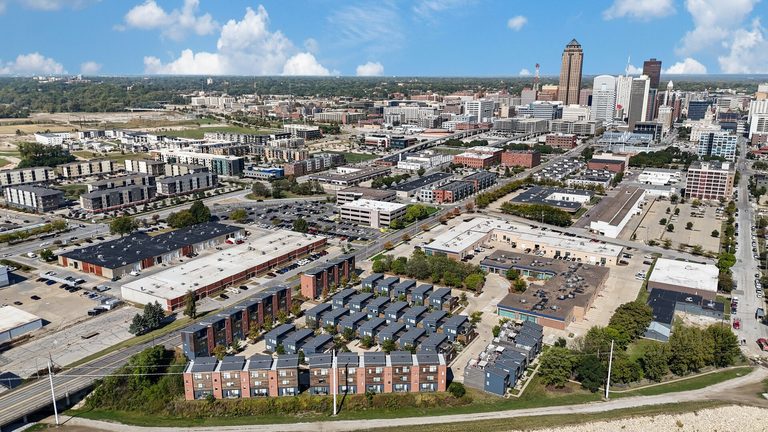
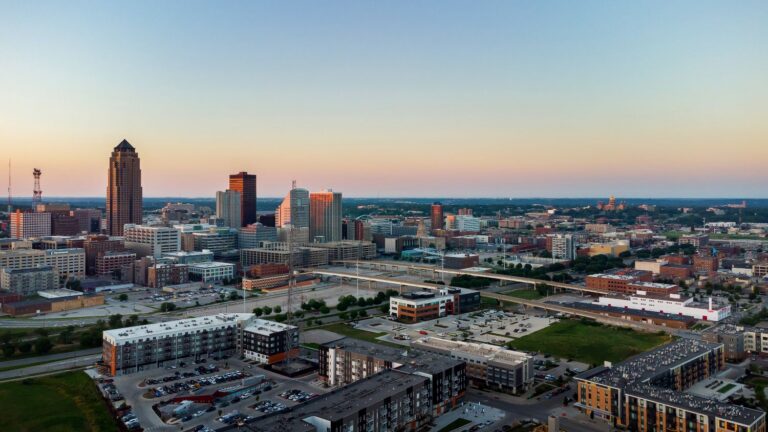
What was once a largely vacant and overgrown 75-acre site on the edge of downtown Des Moines has become one of the region’s most ambitious neighborhood transformations. The ground, which once housed the Norfolk Southern Railroad then the Tuttle Landfill site, was tossed to the side until a vision was established. Today, Gray’s Station stands as a testament to what can happen when public and private partners invest not only in buildings, but in infrastructure, connectivity, housing and quality of life.
The story of Gray’s Station was never intended to be about a single project. It has always been about creating a complete neighborhood, one that strengthens the urban core, expands housing opportunities and generates long-term economic value for the community.
Building the Foundation First
Before the first residents moved in, significant work was required to prepare the site for the future. Alongside the City of Des Moines, CDA, RDG, Terracon and many partners, concepts moved through the city for approval to remove railway ties, historical items and overgrown trees. Beginning in 2016, environmental remediation, flood protection measures, stormwater management systems, roads, trails and transportation improvements established the foundation for everything that followed.
Today, that infrastructure investment totals approximately $50 million, with an additional $20 million planned for future improvements in the next 5-10 years.
“Those investments were made with a long-term vision in mind: creating a connected district that links downtown Des Moines with Gray’s Lake, Water Works Park, regional trail systems and future recreational destinations. It’s a vision not a year in the making, but decades,” said Kyle Gamble, President & CEO, Hubbell Realty Company.
Proof in Today’s Projects
The strongest case for Gray’s Station’s future is the success that already exists today.
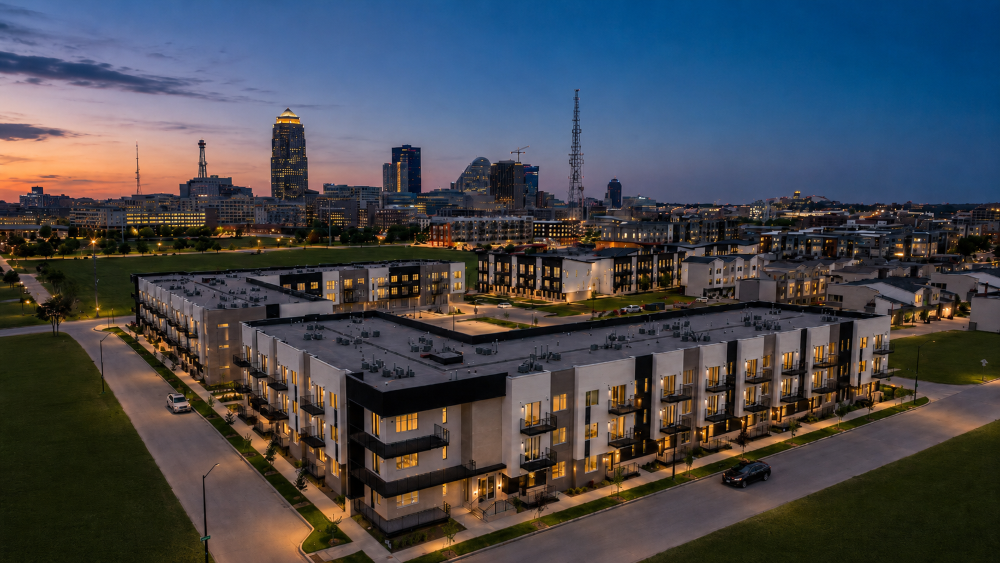
The neighborhood now includes nearly 500 completed homes – both rental and for sale – as well as, retail and 4,000 square feet of commercial space, community gathering places and a growing residential population. Local businesses like F45 Training, Gray’s Pub & Patio, Iowa Spine Performance and Tipsy Nails all call this neighborhood home.
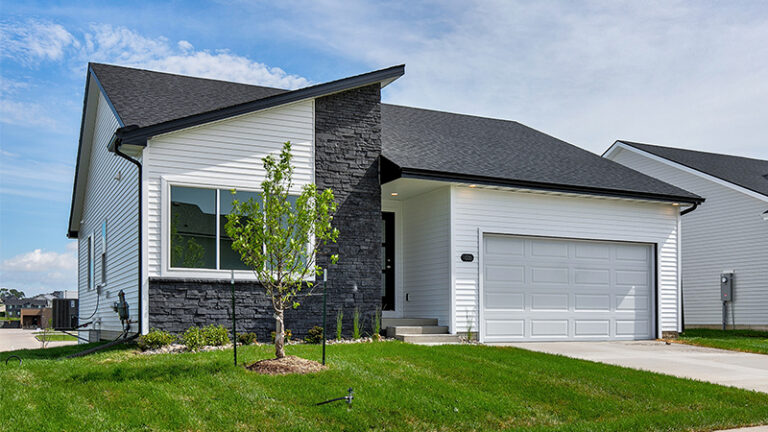
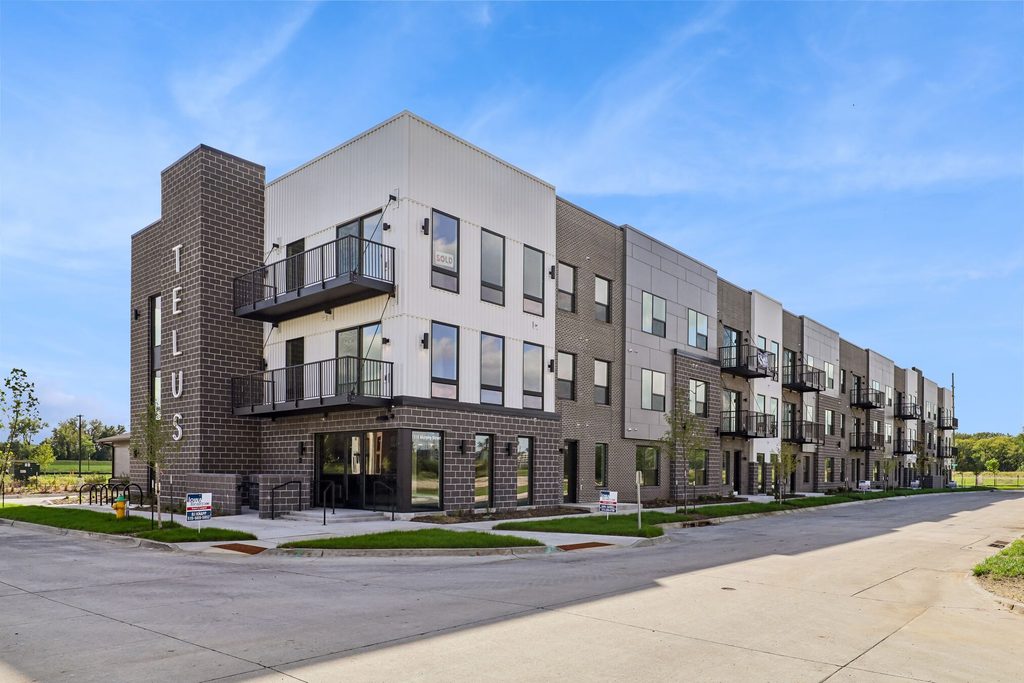
Projects such as LINC Apartments, Telus Condos and Gray’s Clubhouse demonstrate the market demand for high-quality housing options in downtown Des Moines. Collectively, these communities have helped create a neighborhood designed to support multiple lifestyles and life stages, from new college graduates to retirees looking to right-size their home. The clubhouse alone welcomed over 1,000 residents during the 2026 Summer Music Series which features food trucks, live music from nationally-recognized bands and tours of the neighborhood.
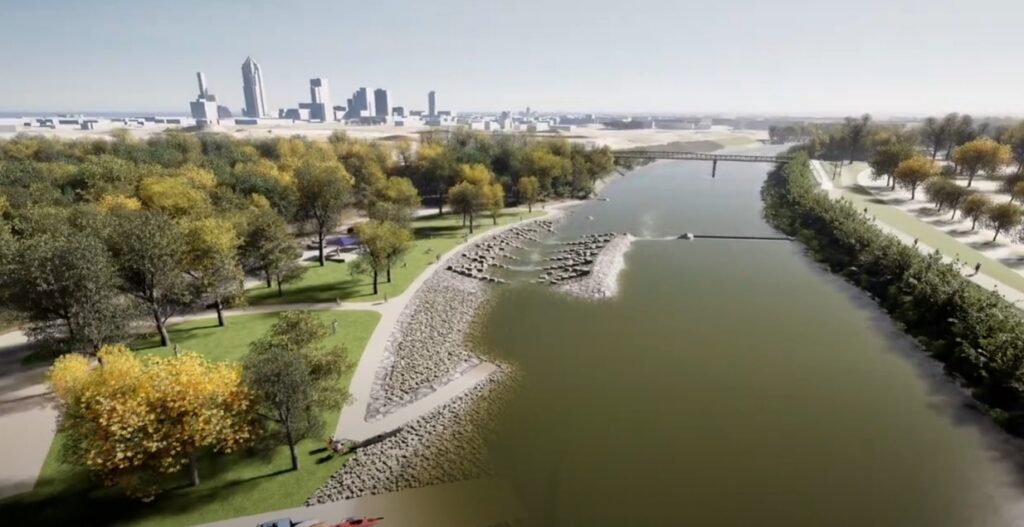
The district’s progress extends beyond housing. The Coleman Bridge has strengthened connections between Gray’s Station, Gray’s Lake and its new splash playground and Water Works Park’s trails and amphitheater, making it easier for residents and visitors to move between some of the region’s most cherished recreational amenities. The 9-acre wetland basin was completely redesigned to embrace 300 acres of downtown rainfall, run it through a series of five filtration pools to clean the water before releasing it into the nearby Raccoon River. This environmental adjustment has also allowed for more than 20,000 native plugs and species to be planted throughout the basin and trailway as well.
Meanwhile, the planned ICON Hubbell Trailhead represents another exciting opportunity to further connect the neighborhood to Central Iowa’s growing recreation and water trail network. This free and accessible access to the Raccoon River offers fishing, kayaking, tubing and when the weather is right, surfing opportunities, as well as classroom educational series all along the riverfront. The Trailhead is expected to open in late 2027 or early 2028.
Those quality-of-life investments matter because they create places people want to be, not simply places where buildings exist.

A Neighborhood With Momentum
The findings of an recent internal analysis of Gray’s Station tells a story of continued momentum and significant future opportunity, outlined by more diverse housing and quality of life enhancements, and regional-projects like ICON Water Trails’ Hubbell Trailhead and the ProIowa soccer stadium and global plaza.
To date, approximately $170 million has been invested into the neighborhood. Looking ahead, Hubbell has identified roughly $330 million in future development opportunities, bringing the district’s total completed and planned investment to approximately half a billion dollars.
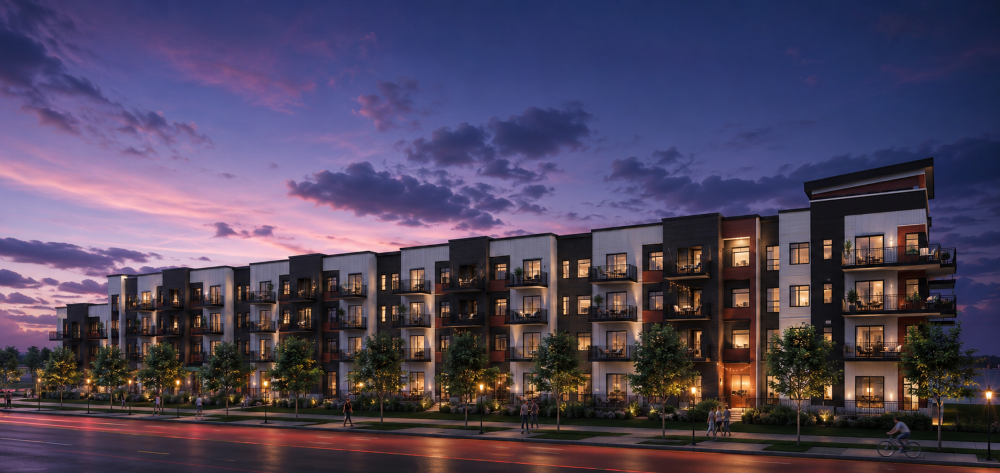
Future plans include nearly 800 additional homes, through two brand new apartments communities and for-sale condos and townhomes. The plans also include 4,500 square feet of additional commercial space and several residential options to meet evolving market demands.
“We have invested $170 million dollars to date and have $330 million left that we’re moving forward on as the market continues to evolve. The connection of SW 16th Street from MLK Jr. Parkway through to Gray’s Parkway is really the next step in keeping the ball rolling,” said Gamble.
That commitment reflects more than financial investment. It reflects confidence in Des Moines, confidence in the region and confidence in the future of this neighborhood.
The Power of Connected Destinations
The most successful neighborhoods are not collections of isolated developments. They are ecosystems.
“Housing, recreation, public spaces, trails, businesses and destinations all work together to create lasting value and create an economic engine of opportunity. Gray’s Station was planned around that principle from the start,” said Gamble.
The district’s future vision includes opportunities that can further strengthen neighborhood identity, attract visitors and support additional investment throughout the area, opening up opportunities for property tax revenue returned to the city and community.
“People and employers are investing in this area because of projects like the stadium. That is the economic engine that can open doors to real growth for our region,” said Gamble.
This is not simply about one neighborhood. It is about creating destinations that encourage residents, workers and visitors to spend more time downtown, support local businesses and contribute to the long-term economic success of Des Moines.
More Housing. More Businesses. More Opportunity.
Housing remains one of the most important needs facing communities across Iowa.
Gray’s Station has already delivered hundreds of homes and has plans for nearly 800 additional units across a range of housing products. That future growth has the potential to support local businesses, increase activity throughout the district and generate significant long-term value for the city. Hubbell’s internal projections estimate an assessed value of approximately $270 million upon completion.
“We believe in this neighborhood and the potential it holds for diverse housing, growing local businesses, future attractions like ICON at the Hubbell Trailhead, and the future development for our partners.”
Looking Forward
Gray’s Station is often described as a development. The truth is it is much more than that.
It is a long-term investment in Des Moines and the central Iowa region. It is environmental remediation transformed into opportunity. It is infrastructure transformed into connectivity. It is housing transformed into neighborhood life.
The next chapter of Gray’s Station will continue building on the progress already achieved: more homes, more businesses, more recreation, more connections and more reasons for people to choose downtown Des Moines. The foundation has been built. The momentum is real. And with nearly $500 million in completed and planned investment, Gray’s Station is positioned to continue creating lasting value for the city, region and generations to come.