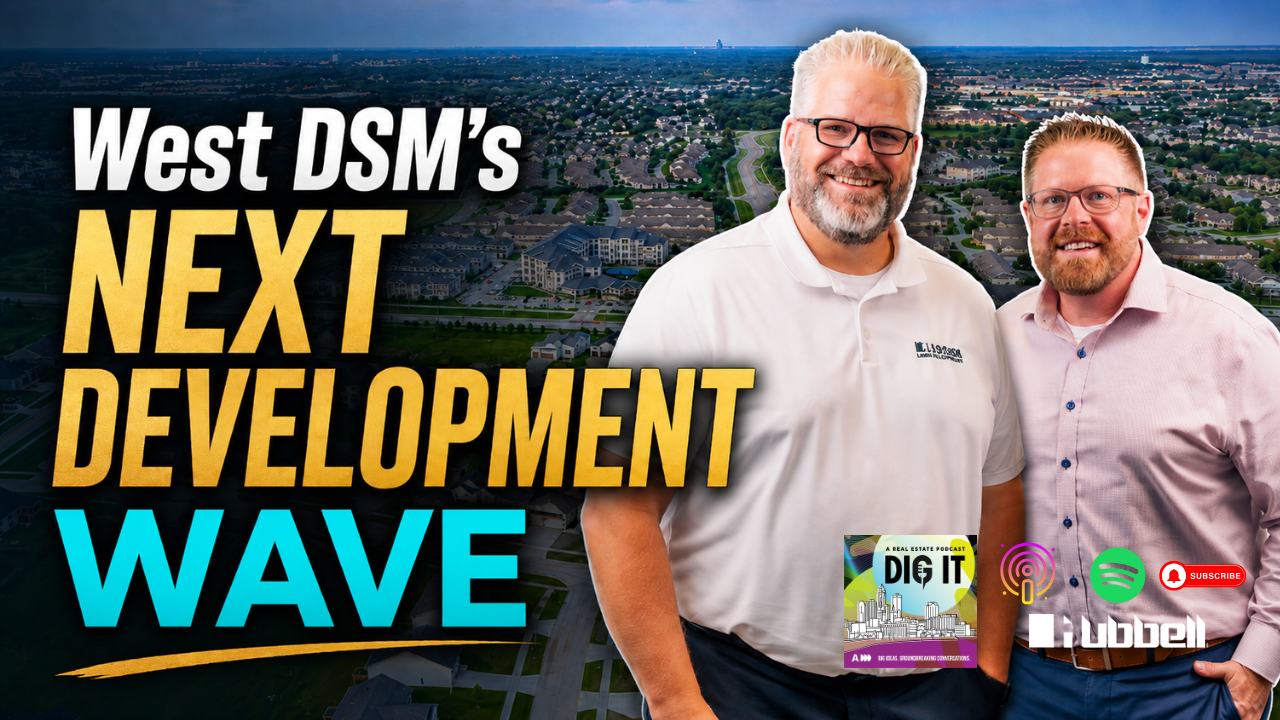
In this week’s episode of Dig It – A Real Estate Podcast, explore how West Des Moines is evolving with mixed use redevelopment, new housing options, and walkable neighborhoods shaping the future of living.
How West Des Moines Is Growing: From Malls to Mixed Use Destinations
West Des Moines is transforming from a traditional drive to suburb into one of Iowa’s most dynamic mixed use communities. Through bold redevelopment projects, new entertainment destinations, and a broader mix of housing types, the city is creating more ways for people to live, work, and connect close to home.
For buyers, homeowners, and investors exploring opportunities with Hubbell Realty Co., the shift is clear. West Des Moines is not just growing. It is evolving into a more complete and connected place to live. Hubbell has proudly called West Des Moines its headquarters and home base since 2002 adding to some of the many local, regional and national employers who choose to locate here.
Valley West Mall Redevelopment: What Is Happening?
Valley West Mall has long been part of the community’s identity. Today, that nearly 60 acre site is being reimagined as a mixed use district.
In June 2024, the city rezoned the property to allow residential, office, retail, and entertainment uses. In 2025, an Urban Renewal Plan was approved to move redevelopment efforts forward. This shift opens the door to a walkable destination where daily life can happen in one place.
“Valley West is one of the most important redevelopment opportunities in the region. It allows us to rethink how people experience a central location in West Des Moines.”
— Caleb Smith, VP of Land Development
The vision goes beyond replacing retail explained Ryan Moffatt, West Des Moines’ Community & Economic Development Director. It is about creating experiences. Residents could park once and spend an entire evening walking to dinner, enjoying green space, and returning home without needing to drive again.
“The goal is to move away from single use spaces and toward places where people can live, work, and enjoy their day to day lives in one connected environment,” said Moffatt.
For those already living in nearby neighborhoods or considering a Hubbell Homes neighborhood in West Des Moines, redevelopment like this adds long term value and lifestyle convenience.
The Grand Experience: A New Regional Destination
Along Grand Avenue, another major project is shaping the future of West Des Moines. The Grand Experience is a planned 110-acre development designed to bring together entertainment, hospitality, and housing.
Key elements include a $400 million indoor water park and hotel complex that spans 226 acres across two sites near the MidAmerican RecPlex on Grand Avenue. The northern site will include a 142-room hotel, a convention center, parking, and residential housing, while the western site will feature the original indoor water park, another hotel, and a newly announced 6,000-seat covered amphitheater. The updated plans also include space for restaurants, retail, and additional housing.
This type of development reflects a larger strategy. Instead of separating jobs, housing, and recreation, the city is combining them in one location.
“Projects like The Grand Experience are designed to attract visitors, support employers, and create opportunities for residents at the same time. We know this aera will create at least 150 workforce housing units and many more workforce opportunities alongside of it.”
— Ryan Moffatt, Community and Economic Development Director, City of West Des Moines
This approach strengthens West Des Moines as both a regional destination and a place to call home, complementing nearby hubs like Jordan Creek and growing corridors along Veterans Parkway.
Blended Neighborhoods: A New Approach to Attainable Housing
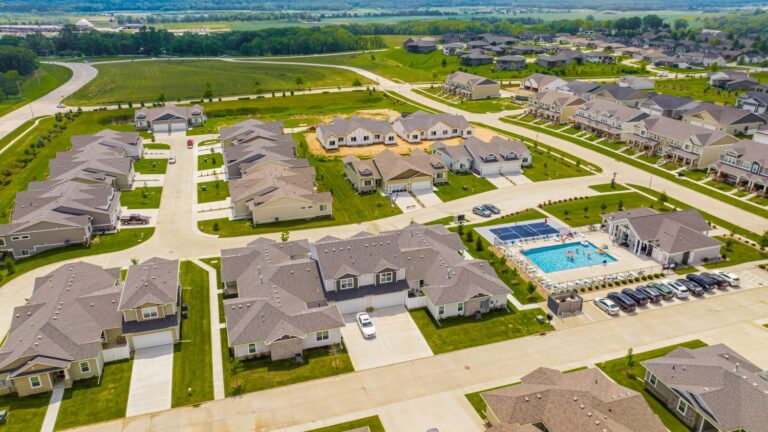
One of the most important changes happening in West Des Moines is a different perspective on attainable housing and how neighborhoods can be developed. The city is exploring a blended neighborhood zoning concept that allows a mix of housing types within the same area. This could include single-family homes, duplexes, triplexes, townhomes and multifamily opportunities all existing together in one neighborhood.
“Blended neighborhoods give us the ability to offer more housing options without losing the character that makes West Des Moines neighborhoods desirable,” said Moffatt.
This matters for buyers at every stage from first time buyers looking for affordability, buyers wanting lower maintenance living and rightsizing their homes, and growing families seeking flexible options
Newly announced developments like Willow Preserve highlight how public private partnerships can reduce infrastructure costs and help maintain attainable price points. These strategies align closely with the type of thoughtfully planned communities that Hubbell Realty continues to develop across the region.
“At Hubbell, we’re finding numerous local builders of a similar size to Hubbell Homes who are all in on these types of partnerships, especially when we find a great city to collaborate alongside,” said Smith.
Walkability, Parks, and Everyday Living
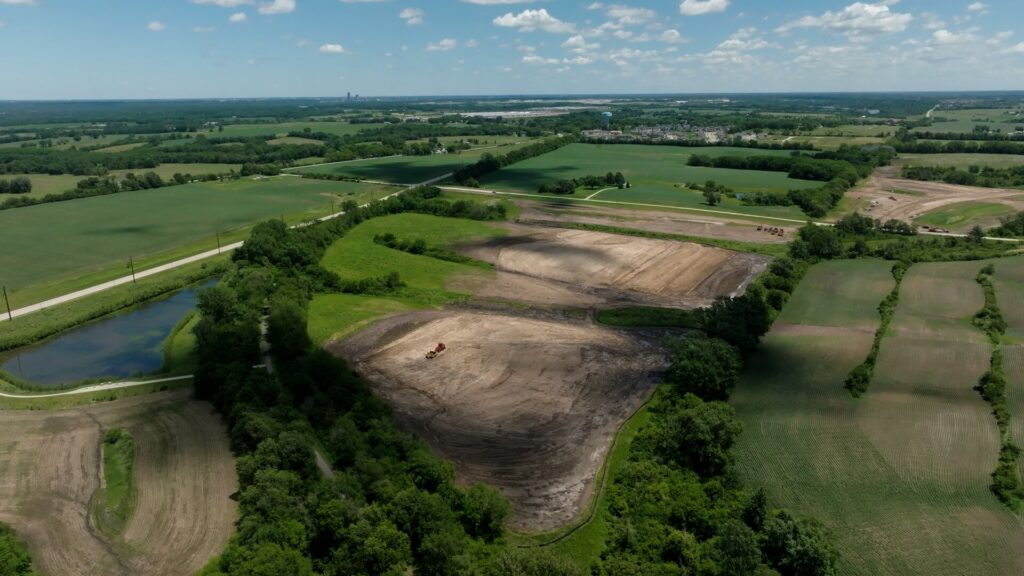
West Des Moines is placing greater emphasis on walkability and connected green space. New developments increasingly include:
- Trail systems and natural corridors
- Integrated parkland
- Smaller lot sizes with more efficient land use
- Residential areas within walking distance of retail or services
This creates a lifestyle shift. Instead of driving everywhere, residents can:
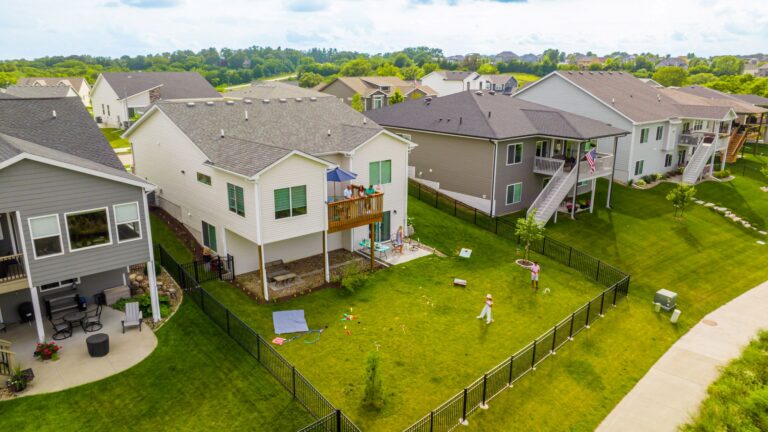
- Walk to parks and trails
- Access neighborhood amenities
- Stay connected within their community
For families and long time residents, it is a modern version of the same freedom many experienced growing up.
Property Taxes, Infrastructure, and Long Term Growth
Behind these changes is a complex funding strategy that includes infrastructure investment, tax increment financing, and evolving state policies. West Des Moines has already invested heavily in roads, utilities, and corridors like Veterans Parkway. These improvements open the door for future neighborhoods and mixed use developments.
At the same time, changes to Iowa’s property tax system could influence the pace of redevelopment projects, infrastructure expansion timeline, and housing affordability – something that both Smith and Moffatt are watching closely.
City leaders continue to work with developers to balance these factors, ensuring that growth remains sustainable and accessible.
Read more on Iowa’s property tax legislation from a recent CRE forum.
What This Means for Homebuyers and the Region
West Des Moines is becoming a complete community where people can live, work, and spend their free time without leaving the city.
For current homeowners, that means increased amenities and stronger long term value.
For buyers, it means more options at a range of price points.
For the region, it positions West Des Moines as a leader in modern suburban living.
Listen to the Dig It Podcast
Want to hear the full conversation and insights behind West Des Moines growth, development strategy, and housing trends?
Tune into the Dig It – A Real Estate Podcast for expert perspectives from local leaders shaping the future of Central Iowa.