Urbandale’s new revitalization plan focuses on turning its traditional corridors into a vibrant, walkable mixed-use district that connects homes, jobs, parks, and services. The city is pairing long‑range planning with targeted investments in streets, infrastructure and public spaces to support housing like Line Seven and attract residents, employers and visitors.
At the heart of this effort is the Urbandale Downtown Master Plan, which builds on the Forward Urbandale Comprehensive Plan adopted in 2023. The city is reimagining the Douglas Avenue corridor as a more walkable, family‑friendly main street. Planned improvements include safer street design, better sidewalks and bike connections, upgraded lighting, landscaping, and new civic spaces that can host events and community gatherings. A July 2024 report in the Des Moines Register noted that city leaders want downtown to better accommodate local businesses, patios, and breweries while improving access for pedestrians and cyclists, and they have hired consultants to translate those goals into specific projects and policy changes.
The master plan is backed by significant public investment. Over $40 million in infrastructure upgrades are either underway or planned in and around the downtown area, from utility and roadway improvements to streetscape projects. Those public dollars are designed to “set the table” for private development, especially mixed‑use projects that combine residential, office and retail offerings in a single district. For Urbandale, that means creating the kind of urban energy more typical of a larger city, while retaining the schools, parks and quality of life that originally attracted families.
Urbandale’s revitalization is not limited to downtown. In recent years the city has coordinated its planning with major regional investments in the Urban Loop, health care, and technology employment hubs. Taken together, these initiatives signal a shift from a primarily single‑family suburb to a more complete community with a wider range of housing and lifestyle options. That shift is where new multifamily communities like Line Seven play a crucial role.
Line Seven: a new apartment community supporting Urbandale’s vision
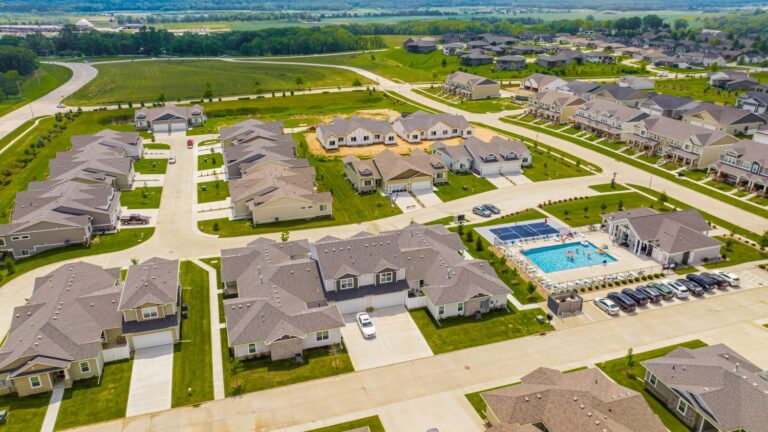
Line Seven is a new 135‑unit multifamily community and the first phase of a larger 225‑unit neighborhood planned at the southwest corner of Waterford Road and 142nd Street in Urbandale. Designed as a three‑story wood‑frame property on just over 9 acres, Line Seven will bring a contemporary apartment option to an area primarily made up of single‑family homes, while staying within the highly regarded Waukee Community School District.
The community’s unit mix is tailored to modern renters. Phase I includes studios, one‑, two‑ and three‑bedroom apartments, featuring in-unit amenities like washer, dryer, large islands and plenty of square footage mixes. This mix supports a wide range of households: young professionals seeking proximity to the Urban Loop or downtown Des Moines; health‑care workers employed at the emerging Total Health Experience campus; and families who want apartment living without sacrificing school quality or access to regional parks and trails.
As part of that agreement, 15 of Line Seven’s 135 apartments will be reserved as affordable housing for households earning between 60% and 80% of the area median income (AMI).
“For families and individuals in that income band, market‑rate rents in new construction can be out of reach, especially in higher‑performing and pacing school districts. By setting aside dedicated affordable units within a high‑amenity, mixed‑income property, the community broadens access to quality housing in a part of the metro where options have historically been limited,” said Matt Weller, Vice President of Development with Hubbell.
“Line Seven reflects a broader vision for Urbandale’s future and the thoughtful growth that strengthens the community over time,” said Urbandale Mayor Bob Andeweg.
Line Seven’s amenity package is designed to complement Urbandale’s broader placemaking goals. Residents will enjoy a community clubhouse, fitness center, resort‑style swimming pool, dog park, package room and rentable garages, all intended to create a sense of community on site while supporting active, low‑maintenance lifestyles. These features align with national multifamily trends that show renters prioritizing convenience, pet‑friendliness, and wellness amenities, especially in suburban locations that serve as alternatives to downtown living.
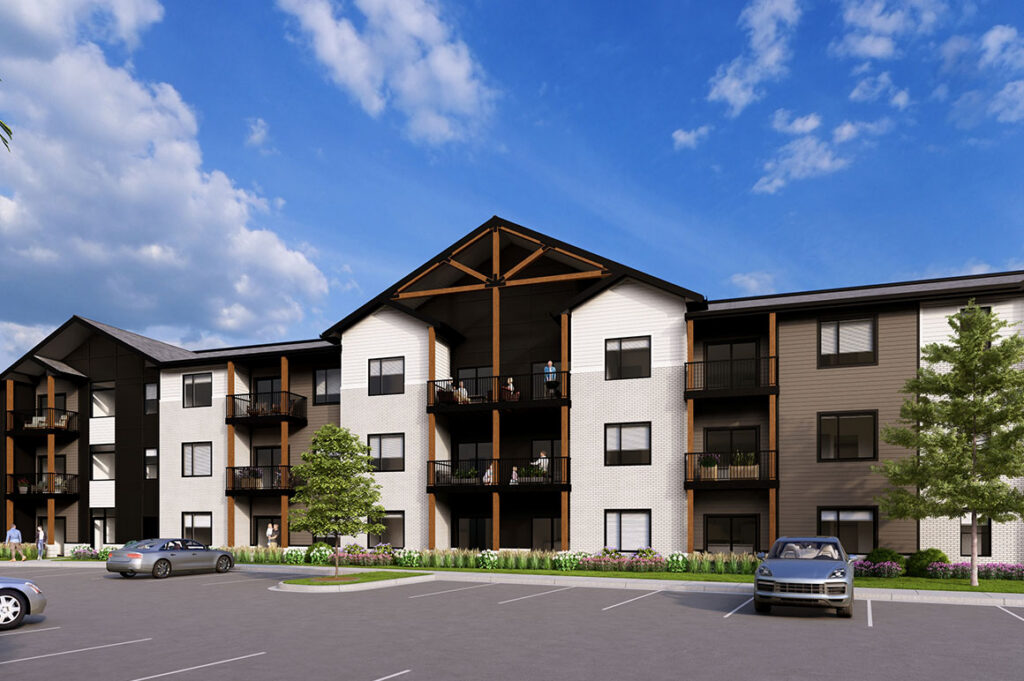
Timing also matters. Construction on Line Seven is scheduled to begin in late summer or early fall 2026, with completion targeted for late 2027, a window that lines up closely with the initial phases of Urbandale’s downtown improvements and the opening of the first building at the Total Health Experience campus. By delivering units as these public and private investments come online, Line Seven is positioned to capture both the first wave of demand and longer‑term household growth.
Growth corridors: Medical campus, Urban Loop and housing demand
Urbandale’s growth strategy centers on several key corridors that concentrate jobs, services, and regional access. The most transformative is the Total Health Experience medical campus, a $250 million, 25‑acre regional health hub now under construction in Urbandale with its first building expected to open in 2027. The campus will feature nine medical buildings and a comprehensive range of services, creating hundreds of new jobs and daily visitors.
Located just four miles west of the Line Seven site, this medical campus is a powerful driver of housing demand. Health systems, clinics and specialty providers bring not only physicians and nurses, but also support staff, vendors and patients’ families who need short‑ and long‑term housing options. Communities that are close to such facilities often see stronger absorption, longer average tenancy and higher occupancy, trends already reflected in nearby multifamily properties, where vacancies in comparable submarkets have hovered near the mid‑single digits, such as the 6.2% vacancy rate reported in CBRE’s 2025 Mid‑Year Multifamily Review.
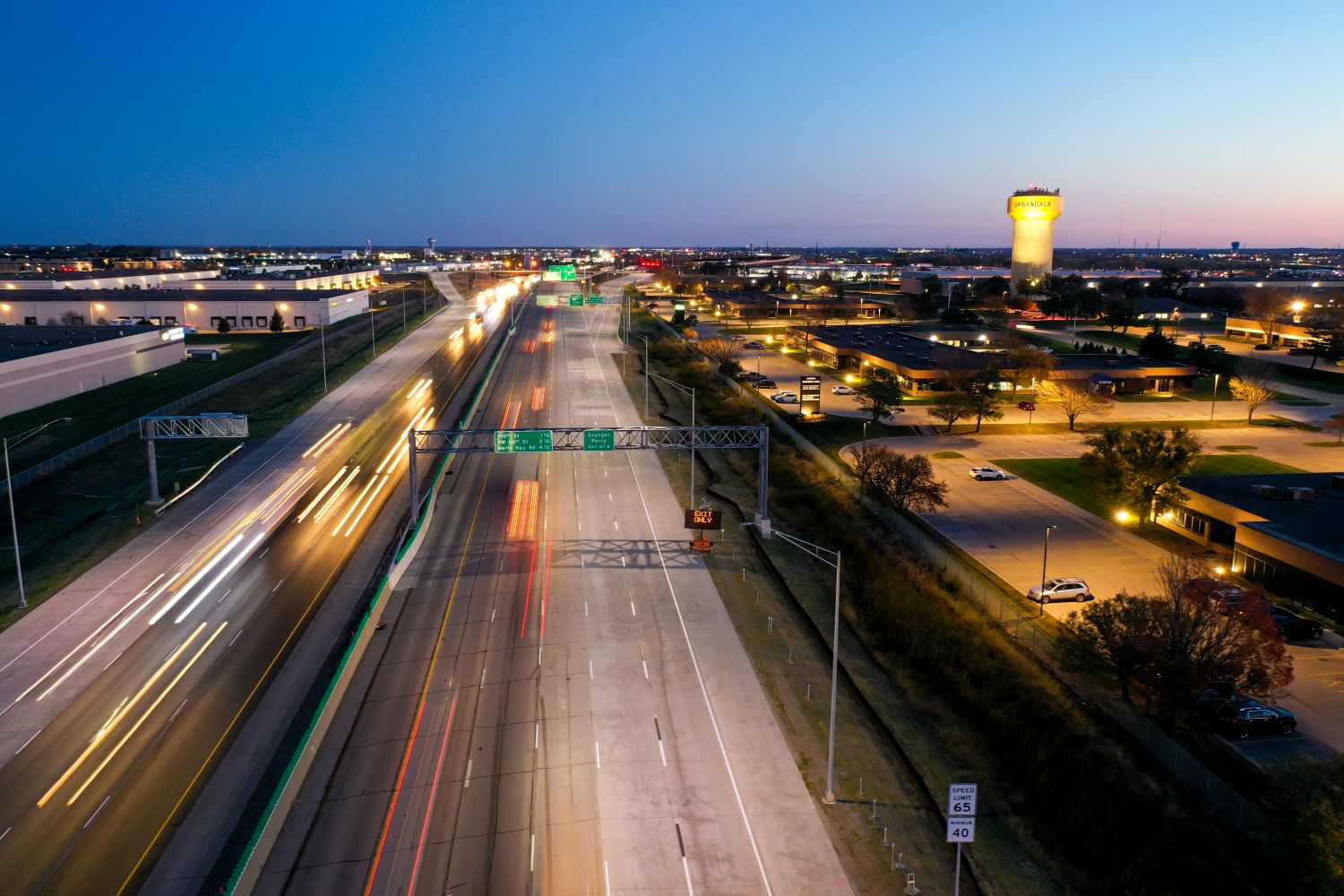
Another anchor is the Urban Loop, Urbandale’s high‑profile commercial corridor centered around the I‑35/80 interchange. Branded as the Des Moines Home Improvement Corridor, the Loop blends big‑box retail with office and light industrial employers, and has benefited from major transportation upgrades like new interchanges and the Highway 141 flyover. These improvements have shortened commute times and made the northwest metro one of the most accessible job centers in the region. For renters, being six minutes from the Loop means daily convenience: quicker drives to employers such as Hy‑Vee, Athene, John Deere and multiple health systems, plus easy access to shopping, dining and entertainment.
“Revitalization works best when it builds on what already makes a place worth investing in,” said Mayor Andeweg.
Urbandale’s revitalization approach recognizes that jobs and amenities must be supported by a modern housing mix. Historically, the areas around Line Seven have been dominated by single‑family neighborhoods, even as regional job growth accelerated. That imbalance is now shifting as the city works with partners like Hubbell Realty Company to add thoughtfully planned multifamily options that align with school boundaries, transportation investments and long‑term land use goals.
Housing affordability, grants and the Forward Urbandale plan
A central goal of Urbandale’s long‑range planning is expanding housing affordability and choice. Line Seven advances that goal through a partnership model that blends private investment with public support and designated affordable units. The project has received a $775,000 economic development grant from the City of Urbandale in recognition of its contribution to the community’s housing needs.
This structure closely aligns with the Forward Urbandale Comprehensive Plan, which calls for more diverse housing types and price points, particularly near employment centers and along key corridors. Rather than concentrating affordable housing in isolated locations, the plan encourages integrating it into otherwise market‑rate developments. Line Seven follows that best practice by delivering a blend of attainable and market‑rate homes within the same community, with identical building standards and shared amenities.
Public‑private collaborations like the Line Seven grant also help catalyze additional investment. By sharing a portion of the upfront costs, the city accelerates delivery of new housing units that support its revitalization and economic development goals. For residents, the result is more choice — from studio apartments for recent graduates to three‑bedroom homes for growing families — all in a walkable, well‑connected part of Urbandale.
What Line Seven means for residents, employers and investors
Line Seven creates value across three key groups: residents, employers, and partners. For residents, the community offers modern apartments in a location that balances suburban comfort with big‑city access. The site is roughly 15 miles northwest of downtown Des Moines, two miles west of Highway 141 and 2.5 miles from the I‑80/35 interchange, putting regional employment, entertainment and services within a short drive. The inclusion of on‑site amenities, pet‑friendly features and secure package facilities responds directly to what renters say they value most in surveys conducted by national multifamily research firms.
Employers also benefit from having more housing options close to their facilities. As companies in insurance, financial services, logistics, agriscience and health care continue to grow in and around the Urban Loop, they are competing for talent across the Des Moines metro and beyond. Being able to highlight nearby, high‑quality apartment communities makes recruitment easier, particularly for candidates relocating from other markets. For the forthcoming Total Health Experience medical campus, Line Seven offers a logical housing option for physicians and staff who want a short commute and access to both Urbandale and Waukee amenities.
For partners, Line Seven is part of a broader story about Urbandale’s fundamentals. Multifamily assets have shown resilience through economic cycles, and the Des Moines region has consistently appeared on lists of top places for renters, young professionals and families.
How Urbandale and Line Seven position the metro for long-term growth
When viewed together, Urbandale’s revitalization initiatives and the development of Line Seven demonstrate how cities and private partners can plan for sustainable, long‑term growth.
Line Seven fits squarely within this framework. By adding 135 units in Phase I and setting the stage for a 225‑unit community overall, the project expands the housing stock in a way that supports both existing neighborhoods and emerging job centers. Its mix of market‑rate and affordable units, combined with modern amenities and strong school connections, helps Urbandale compete with other Des Moines‑area suburbs for new residents.
Over time, the ripple effects of this alignment will be visible in multiple ways: more residents living close to work, fewer barriers for essential workers to find housing near major employers, and a downtown that feels more active and connected to surrounding districts. As Urbandale executes its master plan and regional projects like the Total Health Experience campus come online, communities such as Line Seven will play a key role in ensuring that growth is inclusive, well‑served by infrastructure, and rooted in a strong sense of place.
Watch the full episode of Dig It – A Real Estate Podcast here: