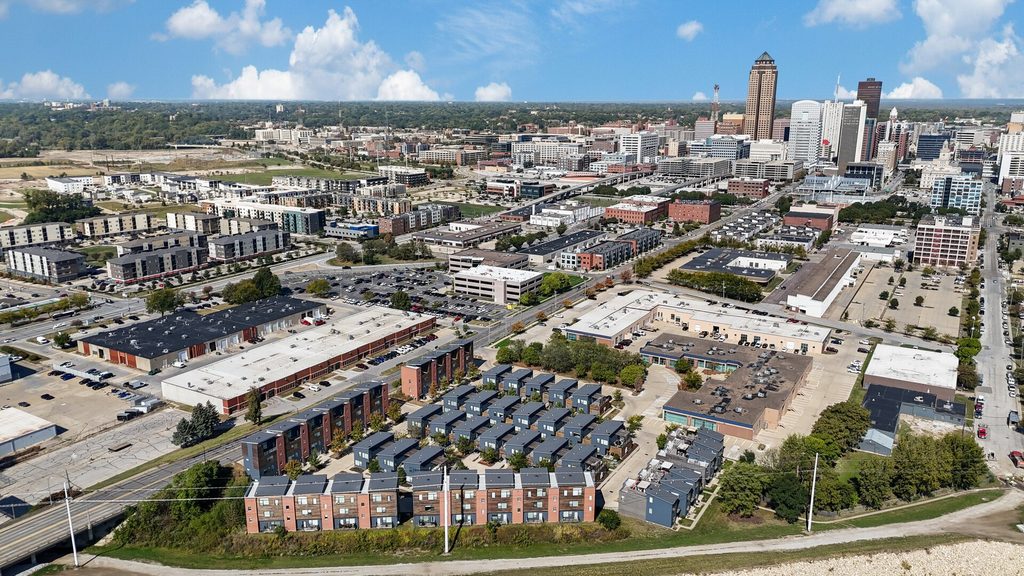
Why partnerships matter in community development
Public-private partnerships help Midwest communities grow by aligning public priorities with private execution. In Iowa and Nebraska, they often make the difference between a project that looks promising on paper and one that actually delivers housing, infrastructure, economic value, and long-term community benefit.
For Hubbell, this topic matters because community development is strongest when municipalities, civic institutions, and experienced real estate partners work together instead of separately. Community growth is rarely the result of one company acting alone. It is usually the product of coordinated decisions across public, private, and community stakeholders. In practical terms, public-private partnerships matter because community development is complex.
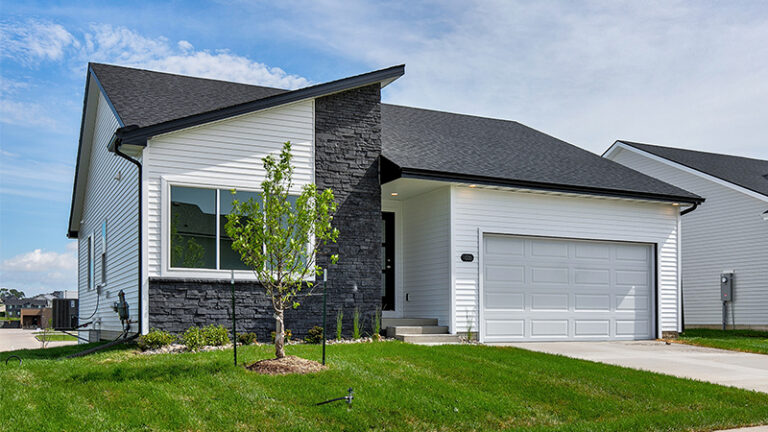
Housing production depends on land, infrastructure, finance, and timing. Neighborhood revitalization depends on public confidence as much as private capital. Economic development projects often need transportation, utilities, zoning support, and talent strategy to work together. When those pieces are disconnected, projects slow down or fail to create the value communities expected. When they are aligned, communities are better able to turn growth into tangible outcomes. This post supports the community development pillar, Community Development in Iowa and Nebraska, and should be read early in the cluster because it explains how coordinated growth actually happens. It also pairs naturally with Why Mixed-Use Development Strengthens Midwest Communities, since many of the strongest mixed-use and placemaking projects rely on partnership structures to move forward.
Iowa and Nebraska communities tend to value practical solutions, relationships, and long-term accountability. That means partnership is not just a financing mechanism. It is also a trust mechanism. Communities want to know that the people shaping a district, neighborhood, or housing initiative understand local priorities and will remain engaged after the initial announcement.
Why Iowa and Nebraska communities need aligned partners
Iowa and Nebraska communities need aligned partners because local growth rarely succeeds through one institution alone. Municipal leaders may understand public priorities, infrastructure timing, and community needs. Developers understand market feasibility, construction realities, and long-term operations. Employers, nonprofits, lenders, and civic groups add another layer of insight around talent, services, and economic goals. Public-private partnerships matter because they organize those interests into a more workable path forward. That coordination is especially important in Midwest markets where communities want growth, but they also want growth that fits local identity and long-term needs.
A fast project that ignores infrastructure, housing mix, or public use can create friction instead of value. A well-aligned project can do the opposite: accelerate momentum while improving the daily experience of the place itself. Nebraska offers a useful example of how partnership-driven community development can work. The Nebraska Investment Finance Authority explains that it provides community outreach, financial resources, and technical assistance to help initiate, facilitate, and expedite affordable housing development across the state. NIFA specifically notes its work with nonprofits, local governments, housing authorities, community development groups, developers, builders, and lenders to help communities design and implement plans that improve quality of life. That model reinforces a key point: the best community development outcomes typically happen when institutions share responsibility rather than act in isolation.
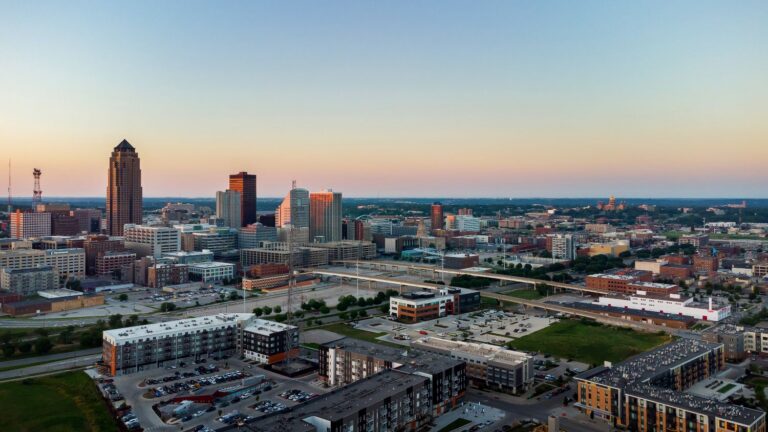
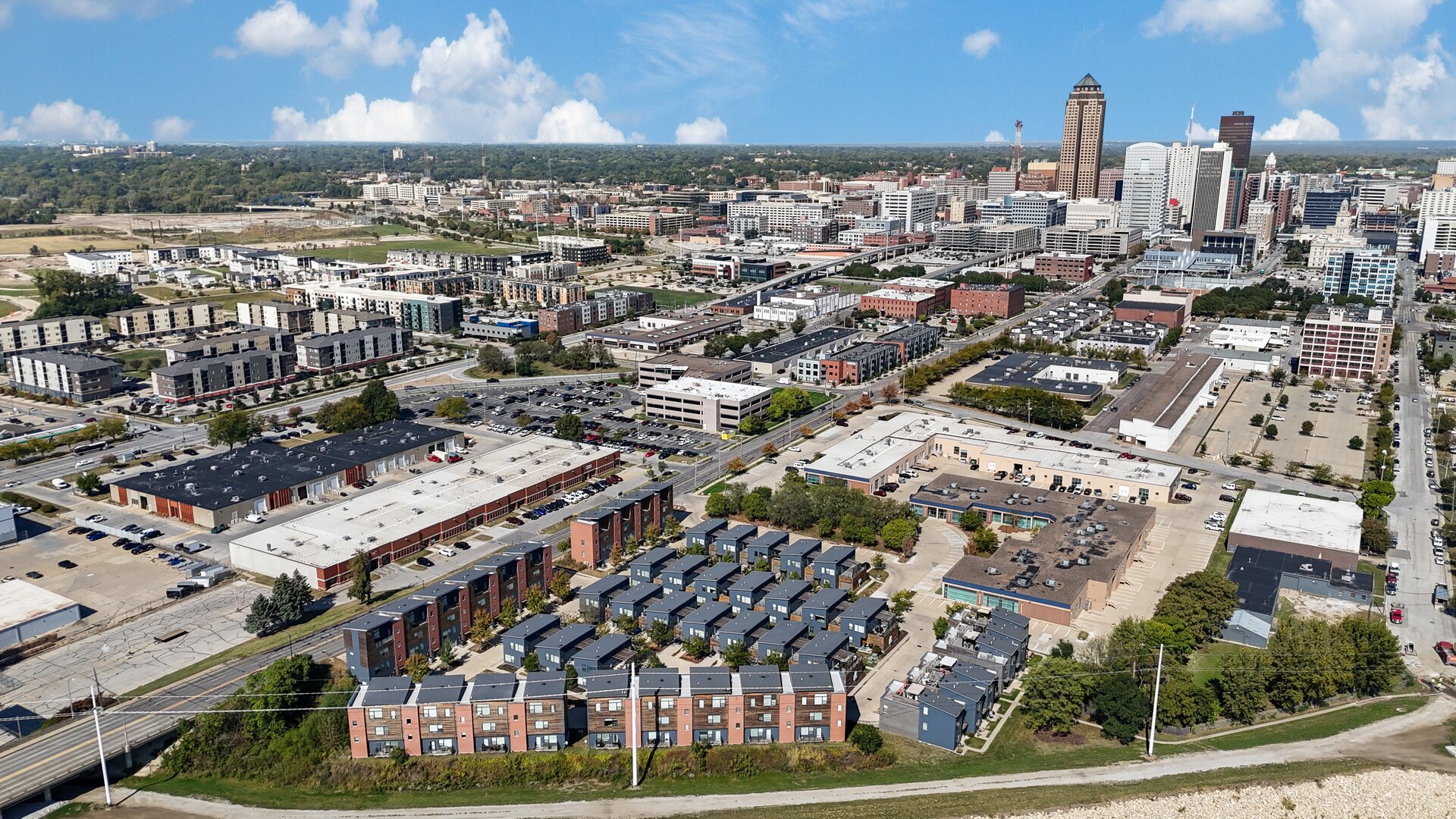
The same logic applies in growth corridors around Des Moines and Omaha. Regional momentum creates demand for housing, commercial activity, infrastructure investment, and placemaking, but each of those areas moves at a different pace. If the public side and private side are not aligned, communities can end up with mismatched timing, under-served neighborhoods, or projects that never fully connect to local priorities. Partnership makes it easier to align vision with execution. Hubbell is not only a builder or only an investor: the company spans development, construction, management, land, homebuilding affiliates, and investment. That allows Hubbell to engage partnership conversations with a fuller view of the real estate lifecycle. It can speak to what is financially viable, what is operationally sustainable, and what may create the most durable value for a community.
How Hubbell fits the partnership model across the Midwest
Hubbell fits the partnership model across the Midwest because its capabilities naturally bridge many of the conversations that public-private work requires. Hubbell Realty Company is a full-service real estate development company founded in 1856 and headquartered in West Des Moines, with services spanning development, construction, homebuilding, property management, and asset management. That means Hubbell can contribute not only ideas, but operational understanding across multiple stages of a project’s life.
Community development partnerships need organizations that can think beyond one transaction. They need partners who understand how land planning affects construction, how construction affects operating performance, how housing mix affects neighborhood vitality, and how long-term management shapes the lived experience after delivery. Hubbell’s full-service structure supports that kind of thinking. Readers can review About | Hubbell Realty. That breadth is exactly what many communities and institutional partners look for when evaluating a long-term development relationship.
Hubbell’s 1856 founding adds another layer of trust. In real estate, long timelines are normal. Projects can take years to move from concept to occupancy, and their effects last much longer. A company with deep Midwest roots and a long operating history can bring steadier perspective to those conversations. The point is not that age alone makes a better partner. It is that experience across market cycles can help a company evaluate tradeoffs more carefully and act with a stronger sense of stewardship. For readers, the practical takeaway is simple. Public-private partnerships work best when they include partners who understand both community needs and real estate realities.
Q: What is a public-private partnership in community development?
A: It is a collaborative effort between government entities and private organizations to plan, finance, or deliver projects that support public goals and long-term growth.
Q: Why is this important in Iowa and Nebraska?
A: These markets depend on collaboration across municipalities, employers, lenders, and developers to align housing, infrastructure, and economic development.
Q: Why is HRC relevant to this topic?
A: HRC’s corporate platform spans development, construction, management, and investment, giving it a broader perspective than a single-function firm.
Q: Are partnerships only about affordable housing?
A: No. They also support placemaking, infrastructure coordination, mixed-use districts, neighborhood revitalization, and broader economic competitiveness.
Q: What should readers view next?
A: Return to Community Development in Iowa and Nebraska .