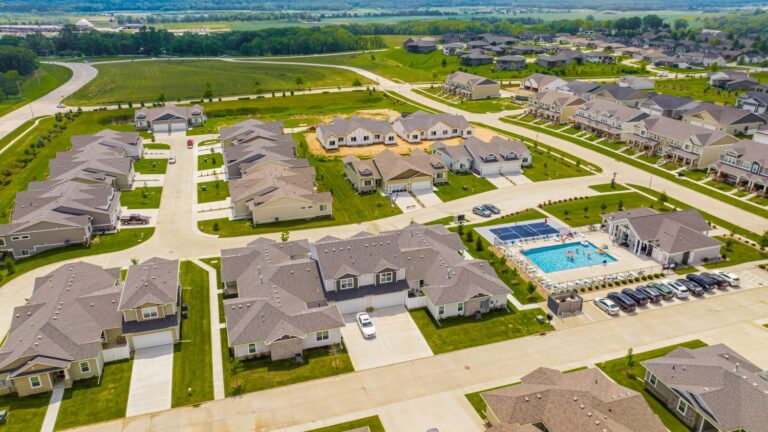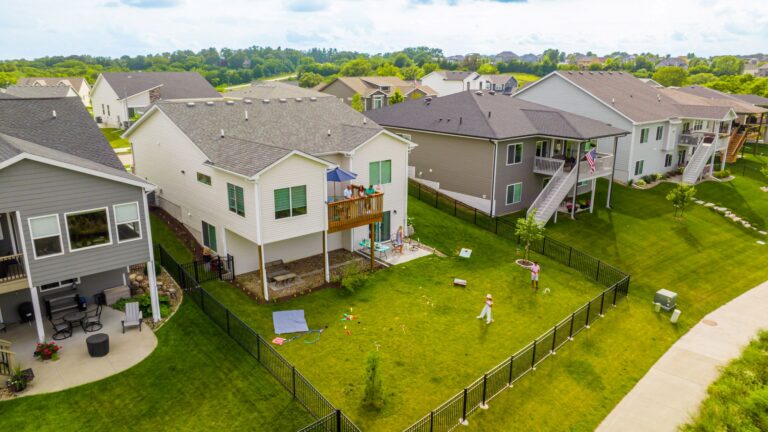
Mixed-use development strengthens communities by bringing more of daily life into closer connection. When housing, neighborhood services, public space, and economic activity are planned to work together, communities often become easier to navigate, more resilient, and more enjoyable to live in.
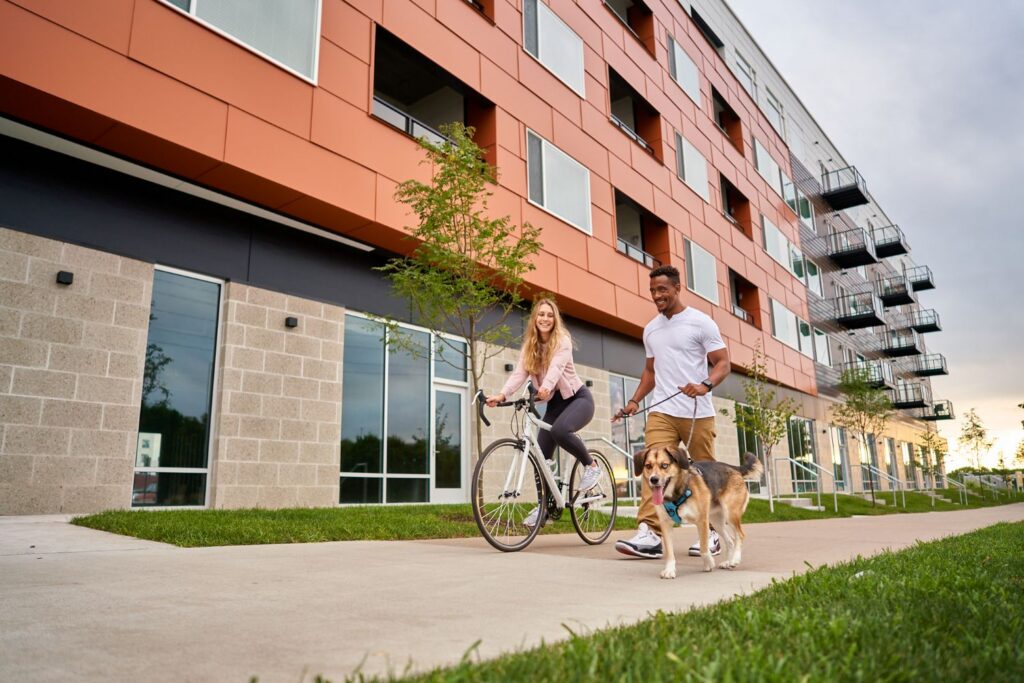
What mixed-use development means in the Midwest
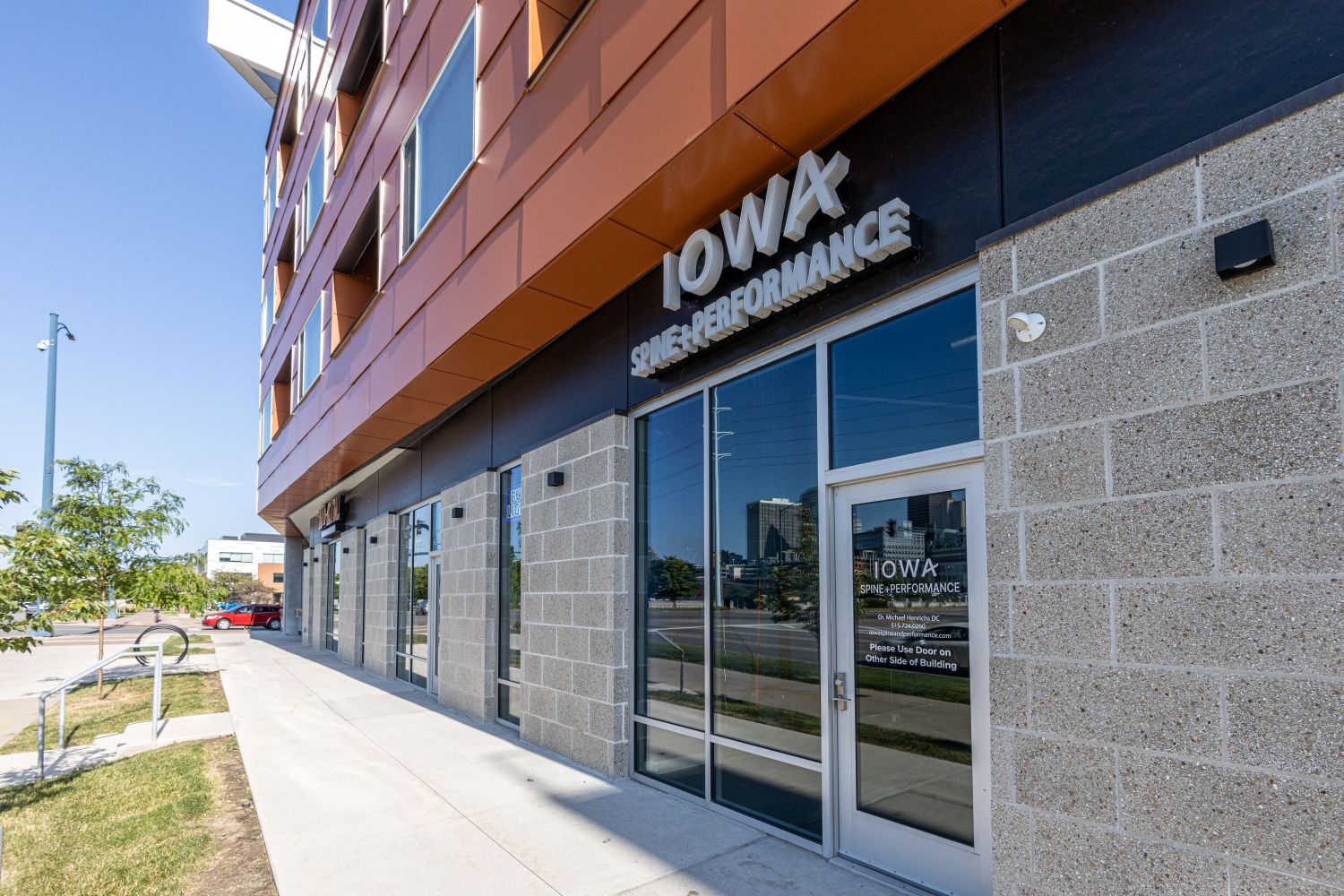
Mixed-use development is a natural extension of Hubbell’s story because it treats development as placemaking rather than isolated transactions. In the Midwest, mixed-use should be understood practically. It is not about copying a coastal urban model or forcing every community into the same format. It is about recognizing when a district, neighborhood or community benefits from a more connected blend of uses. In some cases, that means residential near retail and services. In others, it means integrating public gathering space with commercial or multifamily development. The goal is not complexity for its own sake.
The partnership between a developer and community shows how mixed-use projects often require stronger coordination among public and private stakeholders. Des Moines, West Des Moines, and Omaha are all evolving in ways that make quality-of-place decisions more important. Talent attraction, consumer expectations, and neighborhood identity all influence what kinds of places perform well over time. Mixed-use development can be a useful response when it aligns with local demand and community goals.
Why mixed-use matters in Des Moines and Omaha
Mixed-use matters in Des Moines and Omaha because growth in those metros increasingly depends on quality of place, not just quantity of square footage. Housing, retail, office, hospitality, recreation, and public space do not need to exist in one building to create mixed-use value. What matters is that they work together in a connected environment that supports everyday life. In practical terms, that can mean shorter trips, stronger neighborhood identity, more consistent activity throughout the day, and better alignment between development and local demand. Greater Des Moines offers a strong example of why this matters. The region continues to show unusual economic and demographic momentum for the Midwest. The Greater Des Moines Partnership reports that the broader area is nearing one million residents, with strong population, GDP, and employment growth, plus billions in capital investment underway. In that kind of environment, development patterns matter more. Communities do not only need more homes or more projects. They need places that absorb growth intelligently and improve livability.
Omaha is facing a similar challenge from a different angle. The Greater Omaha Chamber’s economic development strategy emphasizes strategic growth, talent attraction, and regional competitiveness. or a region focused on competing for people and employers, mixed-use places can be an important part of the value proposition. They create districts that feel active, connected, and easier to navigate, which can strengthen both residential appeal and economic vitality. This is one reason mixed-use should not be treated as a buzzword. In Des Moines and Omaha, it can help answer real market needs. Some corridors benefit from adding housing near employment and amenities. Some suburban nodes benefit from integrating neighborhood services and gathering space. Some redeveloping districts benefit from a stronger mix of uses that create life beyond one workday pattern. Mixed-use is not the right answer everywhere, but where it fits, it often supports a more resilient and human-centered development outcome. Mixed-use developments can help fast-growing metros become better places, not just bigger ones.
How Hubbell can frame mixed-use value for the Midwest market
Hubbell Realty Company’s position is shaped by market insight, craftsmanship, and long-term stewardship. From Hubbell’s corporate perspective, mixed-use development is valuable when it improves the full ecosystem around a place. It can support housing choice, add neighborhood-serving retail, create stronger public spaces, and contribute to local economic energy. It can also improve the long-term performance of a district by reducing single-use dependence and making places more adaptable as market conditions change. A company with capabilities across development, construction, property management, and investment is well suited to evaluate those tradeoffs.
Consumers care about livability and access. Investors care about resilience and demand. Municipal partners care about placemaking and long-term tax base. Community stakeholders care about how development changes daily life.
Q: What is mixed-use development? A: It is a development approach that combines complementary uses such as housing, retail, office, hospitality, or public space within one district or connected environment.
Q: Why is mixed-use relevant in Iowa and Nebraska? A: Because growing metros like Des Moines and Omaha increasingly compete on quality of place, walkability, convenience, and community identity.
Q: Is mixed-use only for downtowns? A: No. It can also work in suburban nodes, redeveloping corridors, and neighborhood-serving districts when the mix of uses fits local needs.
Q: Why is this a good HRC topic? A: Mixed-use reflects HRC’s full-service corporate perspective across development, construction, management, and long-term stewardship.
Q: What should readers view next? A: Return to Community Development in Iowa and Nebraska