A practical guide to the metro indicators that matter most for Des Moines and Omaha real estate investment decisions.
Why metro-level signals matter more than headlines
Des Moines and Omaha are worth close investor attention because they translate Midwest growth into practical, observable signals: economic development activity, business expansion, prepared sites, and market-specific demand patterns. In 2026, investors should not treat these metros as interchangeable, but they should recognize that both offer the kind of local fundamentals that can support disciplined real estate strategy. That framework matters because metro-level investing is never only about a cap rate or a headline. It is about whether a place is creating the conditions for stable long-term performance. NAR’s 2026 commercial analysis makes the case clearly: all real estate is local.
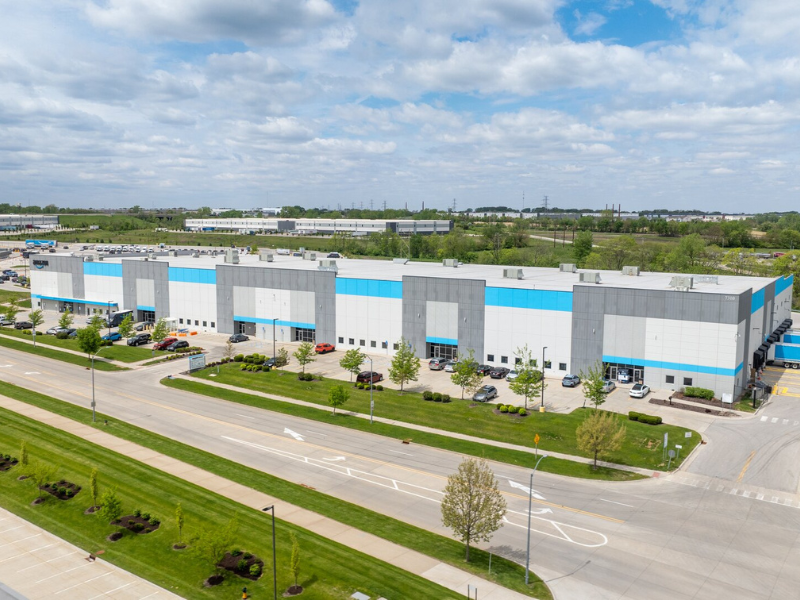
Market conditions can look very different from one metro to the next, which means investors need to focus on local absorption, rent trends, vacancy, and sector-specific fundamentals rather than rely on a single national narrative. Des Moines and Omaha are not compelling because they imitate coastal markets. They are compelling because local context still creates investable differences. Some signals come from economic development rankings and project counts. Others come from site preparation, infrastructure readiness, and the kind of regional coordination that makes deals more executable. In both cases, the best signals are the ones that improve conviction without replacing discipline. The stronger the signal, the more important it is to interpret it correctly rather than overreact to it.
What current development activity says about each metro
Current development activity in Des Moines and Omaha is useful because it reveals how market confidence is translating into projects, capital commitments, and prepared sites. In Greater Des Moines, the story is one of tangible investment momentum. The region’s recognition as a top U.S. metro for economic development reflects actual expansion activity, not only perception. When a market is generating dozens of projects and billions in capital investment, it usually means employers, developers, and public-private stakeholders all see enough confidence in future demand to keep building. For readers, that matters because development activity tends to affect multiple asset classes at once. Corporate expansion can support office usage in certain segments, create industrial and logistics demand, strengthen household formation, and add momentum to multifamily and retail. Those relationships are especially important because Hubbell operates across development, construction, management, and homebuilding. That range gives Hubbell a more realistic lens on how one type of project can affect the broader market.
In Omaha, development activity is especially revealing when it shows a market’s ability to reduce uncertainty. The Greater Omaha Chamber’s GO Ready program is an economic development initiative and an investment signal in itself because it shows that the region is working to remove hidden project risk before major capital commits. The article highlights the importance of surveys, title work, environmental review, utility capacity, and master planning. For investors, that is a reminder that the quality of a market’s project pipeline is not only about demand. It is also about readiness.
A market can appear attractive on paper, but if delivery is slow or unpredictable, returns become harder to protect. The practical conclusion is that both metros are showing signals investors should respect, but in different ways. Des Moines is reinforcing momentum through project volume and capital investment. Omaha is reinforcing competitiveness through site preparation and risk reduction. Each signal matters, and together they support a stronger regional investment story.
How investors can turn local momentum into better decisions
Investors turn local momentum into better decisions by filtering encouraging signals through discipline. Positive headlines matter, but they do not replace underwriting. In 2026, the better approach is to ask three questions. –
- First, is the local economy producing durable demand?
- Second, can projects move through planning and delivery with manageable friction?
- Third, does the asset or site fit a long-term ownership strategy rather than a short-term narrative?
Strong metros still require disciplined decision-making. It is not enough to know that Des Moines or Omaha is active. Partners need to understand which submarkets are absorbing space, which uses are over- or under-supplied, and which projects can be executed efficiently. NAR’s broader market commentary reinforces the point that local context matters more than generalized commercial headlines. In a market where office, industrial, retail, and multifamily are all moving at different speeds, no single metric tells the whole story. Those who do best in the Midwest often combine macro awareness with practical local diligence: employment drivers, infrastructure timing, business growth, utility readiness, and neighborhood-level demand patterns.
Q: Why focus on signals instead of broad forecasts?
A: Signals often tell investors more about what is happening on the ground right now. Forecasts matter, but project activity, prepared sites, and absorption trends can be more actionable.
Q: Why are Des Moines and Omaha the main focus?
A: They are the strongest metro anchors in HRC’s Iowa and Nebraska footprint. They tend to concentrate growth, investment activity, and development readiness at a scale that shapes the broader region.
Q: Is a strong metro headline enough to justify investment?
A: No. It should prompt deeper diligence, not replace it. The best results still come from understanding submarket conditions, basis, timing, and operational execution.
Q: How does HRC’s perspective help?
A: The HRC knowledge vault shows that Hubbell Realty Company works across development, construction, management, and investment. That gives the company a broader view of how metro signals translate into real project outcomes.
Q: What should readers review next? A: Return to Iowa & Nebraska Real Estate Investment Playbook and continue with How to Manage Risk in Midwest Real Estate Deals.